Rope type (SS-316 wire rope)
Ø8 mm SS-316 7×7 wire rope with a top mounting bracket, tensioner, shock absorber and cable-guide brackets every 9–10 m. As a result, it is light and low-profile for tall ladders, towers and tanks.
Lifeline Systems
A vertical life line system is a rope or rail anchor line fixed to a ladder or structure, with a guided fall arrester that keeps a climber attached for the full height of the climb. There is no need to disconnect and look for a new tie-off point. TsaF designs, manufactures and installs rope- and rail-type systems for industrial structures across India.

Fixed ladders on industrial buildings, chimneys, storage tanks, telecom towers and wind turbines are some of the most-used access routes on a site. However, they are often the least protected. A ladder cage on its own does not arrest a fall. In addition, climbers who have to unhook and re-hook to pass obstructions are exposed at every transfer. That is why many ladder accidents are preventable when the climber stays connected to a guided fall arrester for the whole climb.
A TsaF vertical lifeline runs parallel to the ladder and carries a fall arrester. The arrester moves with the climber in normal use and locks if they fall. First, the worker connects the arrester to their full body harness. Then they can move up and down the entire height of the line with a continuous anchor point, so both hands stay free for the ladder.
The rope-type system uses an 8 mm SS-316 wire rope of 7×7 construction, which runs between a top mounting bracket and a bottom tensioner. SS-316 cable-guide brackets every 9 to 10 metres keep the rope aligned with the ladder. Meanwhile, a shock absorber limits the impact force to below 6 kN during a fall arrest. For this reason, it suits tall ladders, towers and tanks where you want a light, low-profile installation.
The rail-type system uses an aluminium (6063 T6) or hot-dip galvanised steel (S235) rail that rail-to-ladder connectors fix to the ladder. A fall arrester trolley with an inbuilt shock absorber and a uni-directional lock runs in the rail. Also, end stoppers prevent it from running off. Rails therefore suit frequently used ladders and routes where a rigid guide is preferred. TsaF also offers portable ladder solutions, which sites generally use for wind turbines, transmission and distribution poles and telecom towers.
To choose between the two types, read vertical lifeline rope vs rail, and see our fixed ladder fall protection guide for what to assess on each ladder.
A vertical lifeline is usually one part of a wider access plan. For example, on a building the climb often uses a Flowlok ladder system or an aluminium cage ladder. It then leads onto a horizontal lifeline or an aluminium and FRP walkway, with a rooftop barricade at the exit point. Because the line connects to an existing cage ladder, it is also a practical retrofit for older structures.
Every TsaF system starts with a survey of the actual ladder and structure. We then engineer it for that route rather than supply a generic kit. Our 20,000 sq ft facility in Jewar manufactures the components, and we design the system in accordance with EN 353-1 for rigid anchor lines and EN 353-2 for flexible anchor lines. After that, our certified technicians install the line and train your climbers to use it. Finally, the Annual Maintenance Check function-tests the arrester, anchorages, guides and tension every year. To discuss a ladder, tank or tower on your site, request a site assessment.
Specifications are indicative. Refer to the product datasheet or ask our engineers for project-specific values.
System types
Ø8 mm SS-316 7×7 wire rope with a top mounting bracket, tensioner, shock absorber and cable-guide brackets every 9–10 m. As a result, it is light and low-profile for tall ladders, towers and tanks.
6063 T6 aluminium rail with rail connectors and rail-to-ladder connectors. In addition, a fall arrester trolley with an inbuilt shock absorber runs inside the rail.
S235 steel rail with a hot-dip galvanised finish for routes that specify a steel rail. It also uses the same trolley, connectors and end stoppers as the aluminium rail.
Portable ladder arrangements, generally for wind turbine sites, transmission and distribution poles and telecom towers, where a permanent installation is not practical.
A rope or rail line added to a cage ladder that is already in service. However, we first survey the ladder structure and its fixings.
How it works
Benefits
Climbers stay attached for the whole climb, so there is no need to disconnect and find a new tie-off point.
The arrester follows the climber up and down the line, so both hands stay on the ladder.
SS-316 rope and brackets, plus 6063 T6 aluminium or hot-dip galvanised steel rail, give long outdoor service.
Because the system connects to an existing cage ladder, it is a practical upgrade for older structures.
After a site survey, we design each line for the height, structure and use of the specific ladder.
Trained TsaF technicians install the line, train your climbers and then inspect it under the Annual Maintenance Check.
Components
Add components to your enquiry list to request one combined quotation.
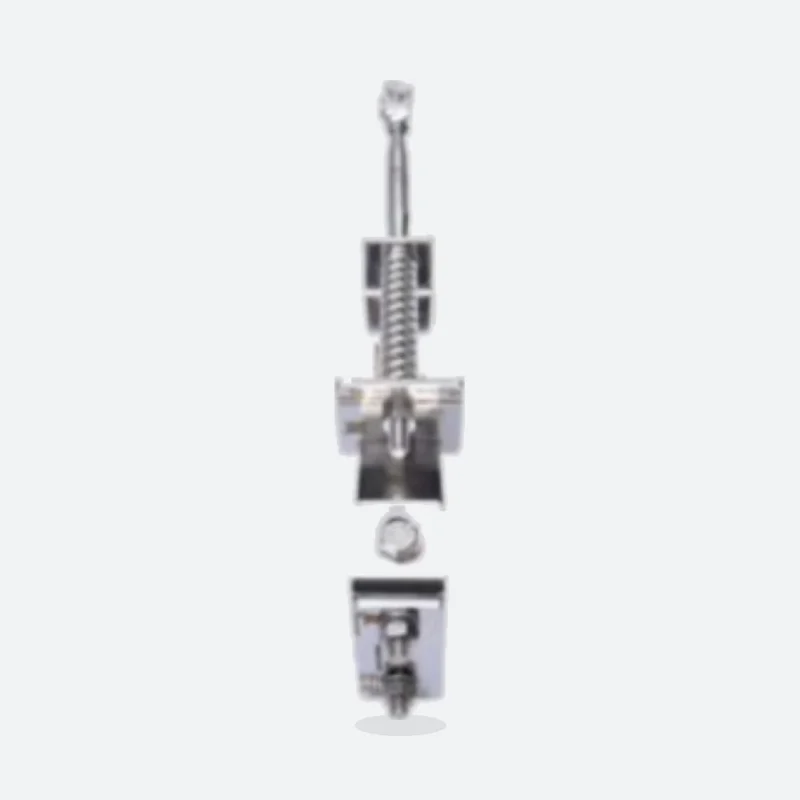
TSAF-200
Stainless steel kit for the rope-type Vertical Lifeline System, made in SS-316 with a natural finish…
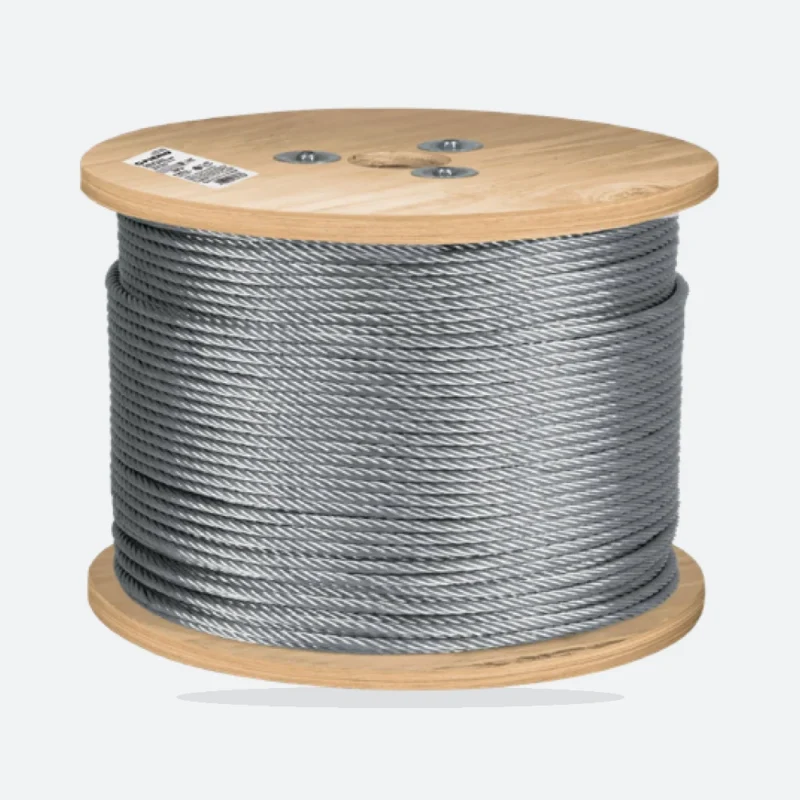
TSAF-108
8 mm diameter SS-316 wire rope in 7x7 construction, supplied per metre, used as the lifeline…
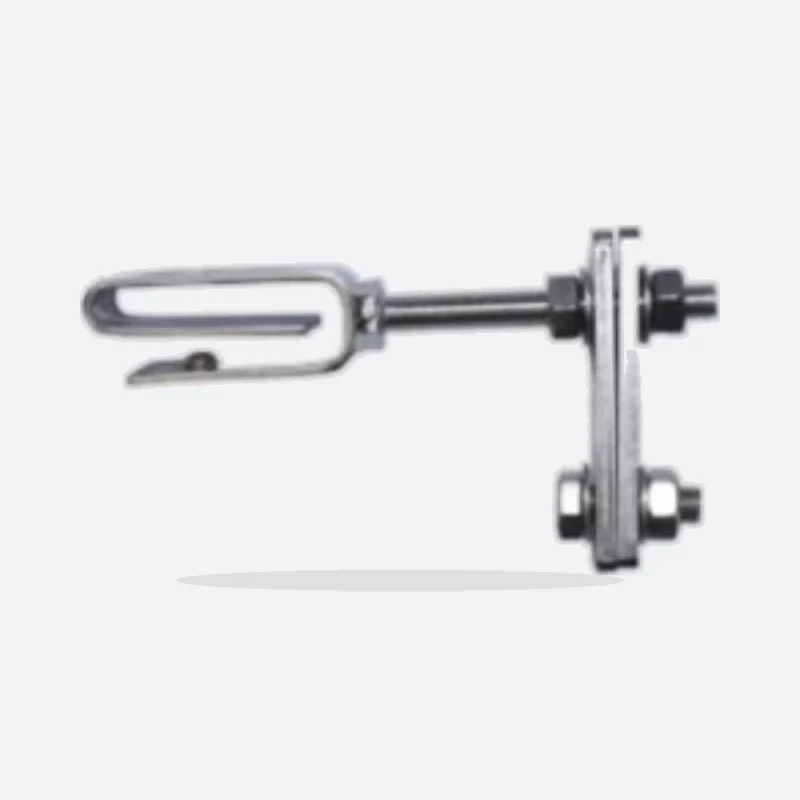
TSAF-201
SS-316 intermediate bracket that guides the wire rope of a rope-type vertical lifeline, installed at 9-10…
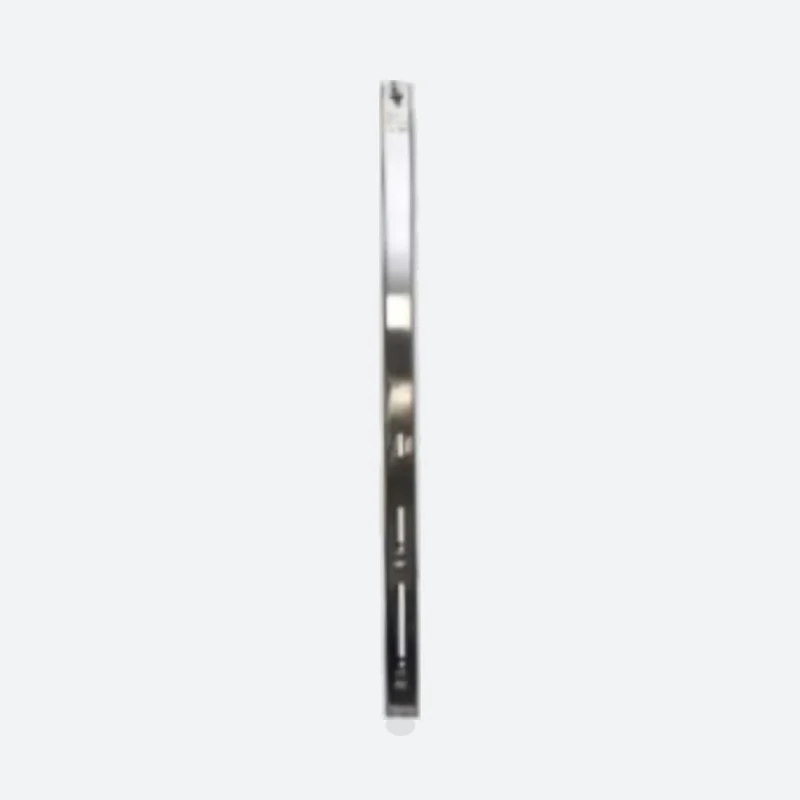
TSAF-204
1.75 m SS-316 extension arm that lets climbers stay connected to the vertical lifeline at the…
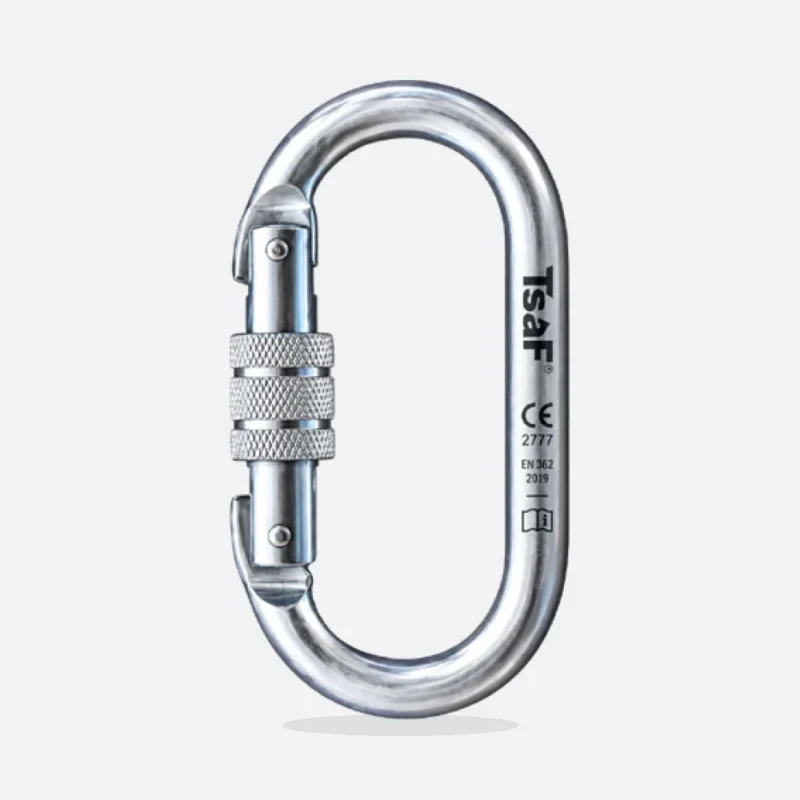
TSAF-131
Alloy steel screw-gate karabiner with a breaking strength of 23 kN, used to connect users to…

TSAF-205
Aluminium 6063 T6 rail with a natural finish for the rail-type Vertical Lifeline System, with a…

TSAF-705
S235 steel rail with a hot-dip galvanised finish for the rail-type Vertical Lifeline System, with a…

TSAF-703
SS-304 connector that joins lengths of rail in the rail-type Vertical Lifeline System.

TSAF-202
Aluminium alloy and steel trolley that runs on the vertical rail, with an inbuilt shock absorber…

TSAF-706
Hot-dip galvanised GI end stopper bracket that keeps the trolley on the vertical rail.

TSAF-207
SS-304 end stopper bracket that keeps the trolley on the vertical rail.

TSAF-708
Hot-dip galvanised GI connector that fixes the vertical rail to the ladder.
Applications
Standards applicability. This system is designed in accordance withEN 353-1:2014+A1:2017, EN 353-2:2002. Applicable standards depend on the configuration and components selected — refer to the product datasheet and our engineering documentation for your project.
Installations


Guides
FAQs
A rope-type system uses a tensioned Ø8 mm SS-316 wire rope with cable guides every 9–10 m and a shock absorber, so it suits tall ladders and towers. In contrast, a rail-type system uses a rigid aluminium or galvanised steel rail, with a trolley that has an inbuilt shock absorber and end stoppers. The right choice therefore depends on the ladder, how often it is used and the environment.
Yes, in most cases. However, our team first surveys the ladder, its rungs and its fixings, because the line can only be as reliable as the ladder it sits on. We identify any ladder repairs at this stage.
We design it in accordance with EN 353-1:2014+A1:2017 for rigid anchor lines and EN 353-2:2002 for flexible anchor lines. For a specific configuration, refer to the product datasheet and your own site rules.
Yes. Each climber needs a suitable full body harness connected to the guided fall arrester. In addition, they must know how to check and use the equipment before every climb, so TsaF provides on-site training when we install the system.
Users should check the line and arrester visually before each use. In addition, TsaF recommends a formal inspection at least once a year under our Annual Maintenance Check, which also function-tests the arrester in both directions.
Related systems
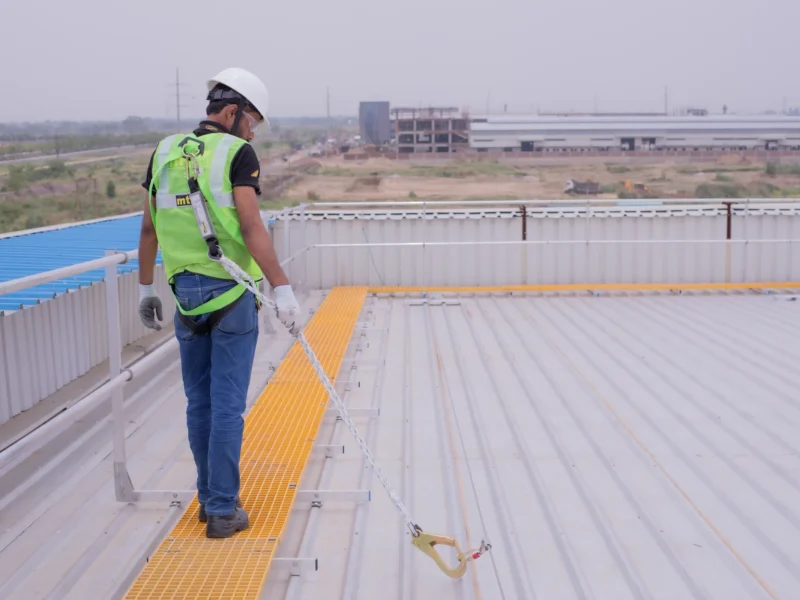
Stainless steel cable lifelines for flat and sloped roofs, with pass-through trolleys for hands-free movement.
View system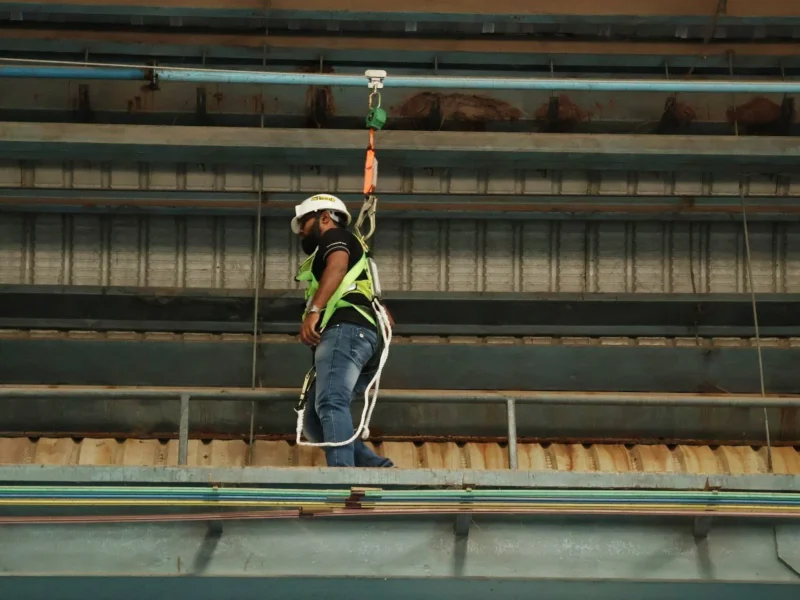
Overhead cable lifelines for loading bays, vehicle tops and work over machinery, indoors or outdoors.
View system
Lightweight, slip-resistant aluminium and FRP walkways that give a defined, safe route across rooftops.
View systemDiscuss your site
“We don't just install your safety system. We stand on the roof with you.”
Leave your number — an engineer will call you back.

Online · Fall protection expert
Ask me about TsaF's 10+ customized fall protection products, components, specifications, AMC, catalogue or how to reach our engineers.
Quick questions
AI Pilot can make mistakes — please confirm specifications with TsaF engineers.

Free · No obligation
Tell us what you need. A TsaF engineer will call you back within one business day.
We have received your enquiry. A TsaF engineer will call you within one business day.
Chat on WhatsApp