Screw-down (trapezoidal roofs)
Roof posts fixed through the sheet into the trapezoidal profile, for the most common metal roofs on Indian industrial buildings.
Lifeline Systems
A horizontal life line system (horizontal lifeline) is a tensioned stainless steel cable fixed along a roof’s working routes, giving workers a continuous, engineered anchor in fall-restraint or fall-arrest configuration. TsaF pass-through trolleys glide past intermediate brackets, so workers never need to unclip while they move. TsaF designs, manufactures at its Jewar facility and installs horizontal life line systems for industrial sites across India.

Industrial roofs are workplaces. Maintenance teams cross them to service fans, gutters, solar panels and HVAC plant, often close to unprotected edges, and individual anchor points force workers to unclip and re-clip as they move. Each transfer is a moment without protection. Falls from height remain a leading cause of serious injury in construction, maintenance, utilities, oil and gas and power, which is why a roof that is used regularly needs a continuous anchor along its working routes.
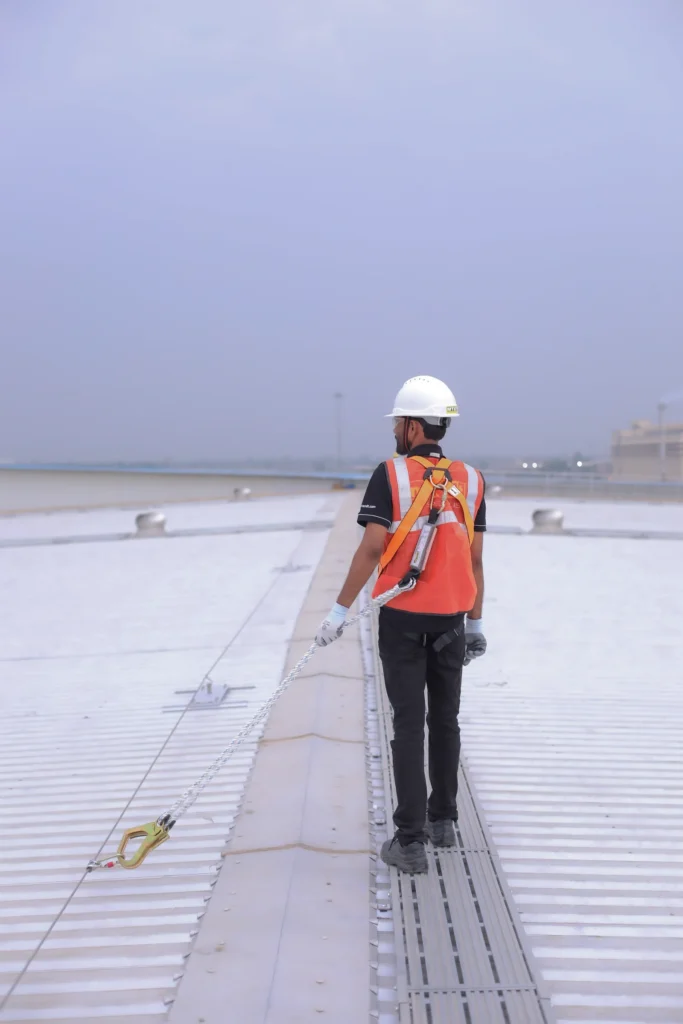
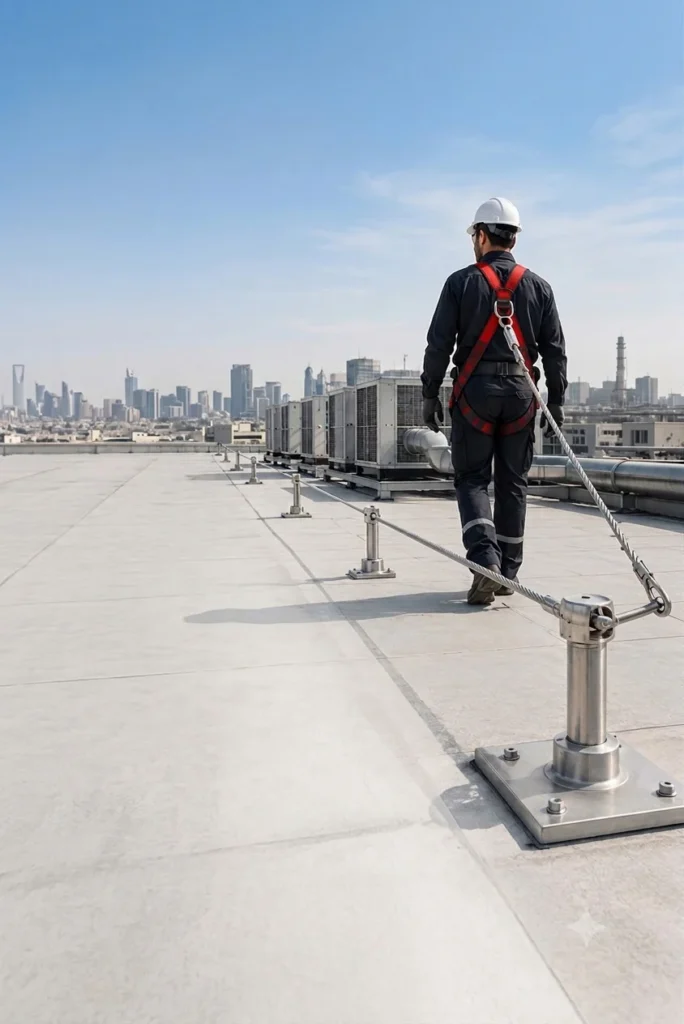
The system is a Ø8 mm stainless steel cable (SS AISI 316L, 7×7) tensioned between end anchors and supported by intermediate brackets, typically every 8 to 12 metres. The TSAF-100A integrated shock absorber cum tensioner keeps the cable at the right tension and absorbs energy in a fall. Workers connect to the line through a travelling trolley, which passes through intermediate and corner brackets automatically, so they can walk the whole route with both hands free and without unclipping.
Depending on the route and the distance to the edge, the line can be laid out as a fall-restraint system, which stops a worker reaching the edge, or a fall-arrest system, which arrests a fall that does occur. The choice is made at design stage after measuring clearances on the actual roof.
TsaF supplies two families of roof fixing. Screw-down systems suit trapezoidal metal sheets. Standing seam systems clamp onto Snap-lock, Kalzip and Klip-lock seams. Both use 6063 T6 aluminium roof posts in a range of end, corner and intermediate sizes, with 90° corner brackets so the line can follow building contours.
For layout, spacing and component details, read our horizontal lifeline system design guide, or see how it compares in horizontal vs vertical lifeline systems.
Typical applications include flat and sloped factory and warehouse roofs, PEB structures, aircraft hangars, stadiums, construction sites and rooftop solar maintenance. On many roofs the lifeline works alongside other systems: a rooftop walkway gives a defined route, a skylight protection system covers fragile roof lights, a rooftop barricade, such as the aluminium barricade system, protects edges collectively, and a vertical lifeline secures the climb up. For loading bays and vehicle tops, see the overhead lifeline system.
TsaF designs each line around the roof profile, the routes and the number of people who will use it. Components are made in our Jewar facility to tight tolerances, installed by certified technicians, and handed over with training for your team. Lifelines need regular attention to cable tension, terminations and the energy absorber, and our Annual Maintenance Check covers each of these. Request a site assessment to plan a line for your roof.
Specifications are indicative. Refer to the product datasheet or ask our engineers for project-specific values.
System types
Roof posts fixed through the sheet into the trapezoidal profile, for the most common metal roofs on Indian industrial buildings.
Clamp-on fixings that grip the standing seam, for roofs where the sheet should not be pierced.
The line and lanyard length are set so a connected worker cannot reach the edge, preventing a fall rather than arresting one.
The line is designed to arrest a fall where restraint is not practical, with clearance checked at design stage.
6063 T6 aluminium end, corner and intermediate posts in several footprints to suit different sheet profiles and heights.
How it works
Benefits
Automatic pass-through trolleys move past intermediate anchors, keeping both hands free.
Lines can be designed for more than one worker, so inspection and repair teams can work at the same time.
Corner brackets allow the line to follow roof contours and route around obstructions.
Aluminium posts and stainless steel cable keep the load on the roof low.
SS-316 and 316L components and anodised aluminium posts for long outdoor service.
Each layout is designed for the roof profile, routes and clearances on your site.
Components
Add components to your enquiry list to request one combined quotation.
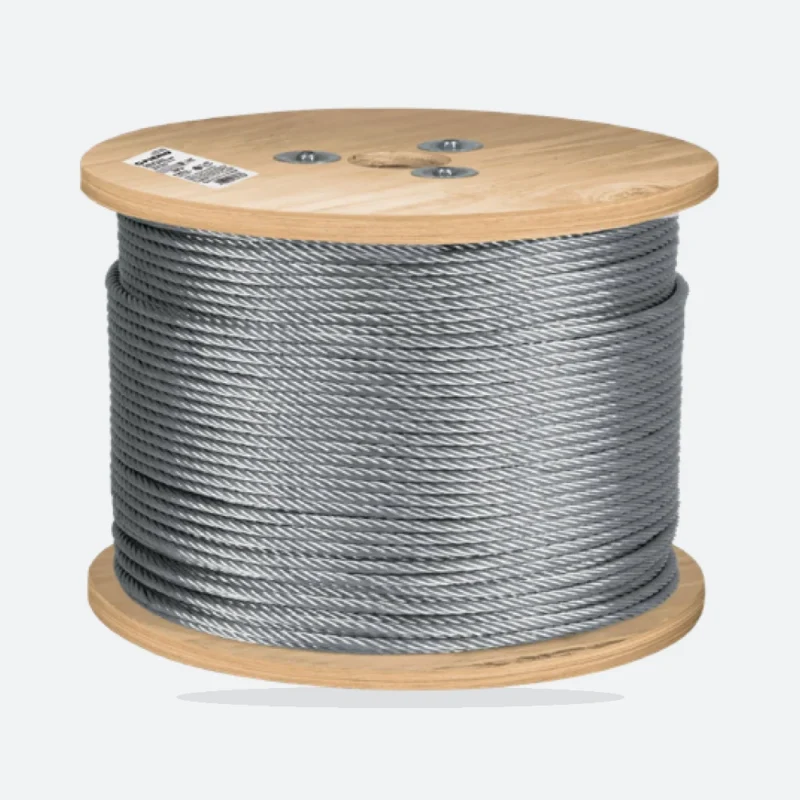
TSAF-108
8 mm diameter SS-316 wire rope in 7x7 construction, supplied per metre, used as the lifeline…
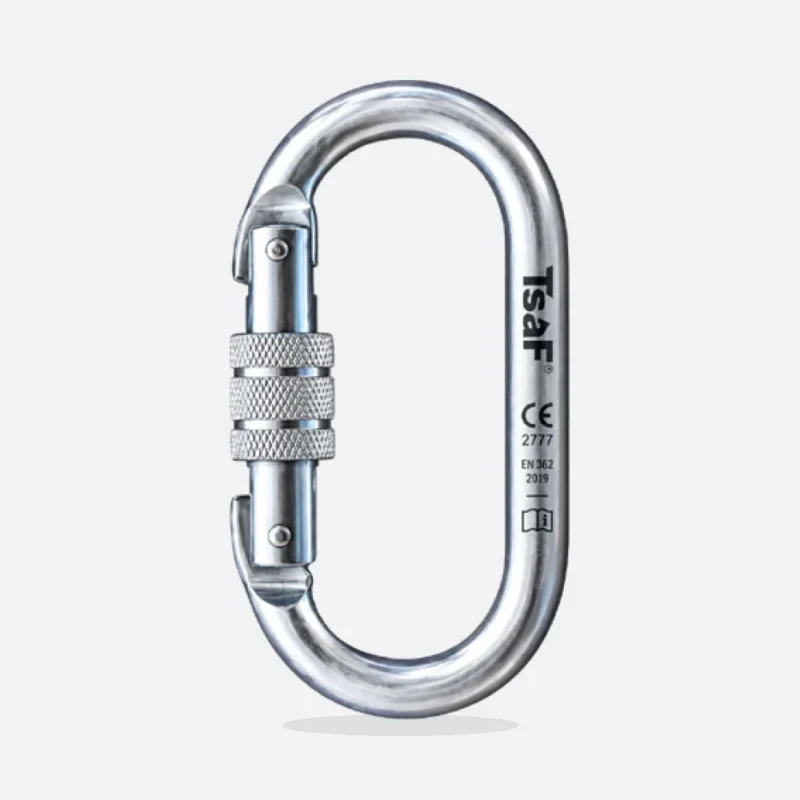
TSAF-131
Alloy steel screw-gate karabiner with a breaking strength of 23 kN, used to connect users to…
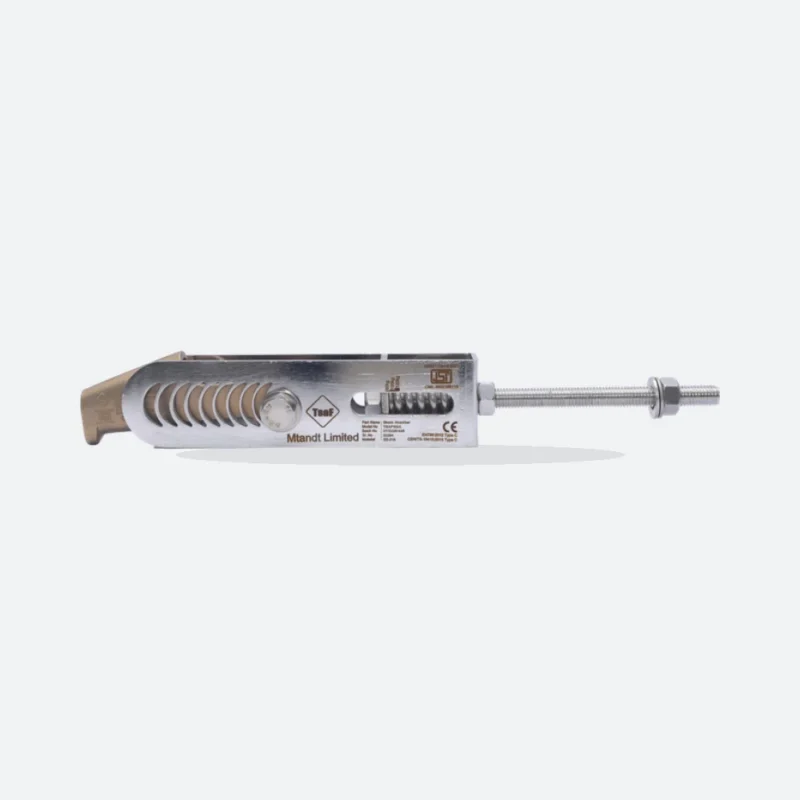
TSAF-100A
SS-316 and AB-2 in-line unit that tensions the lifeline cable and absorbs energy, with an activating…
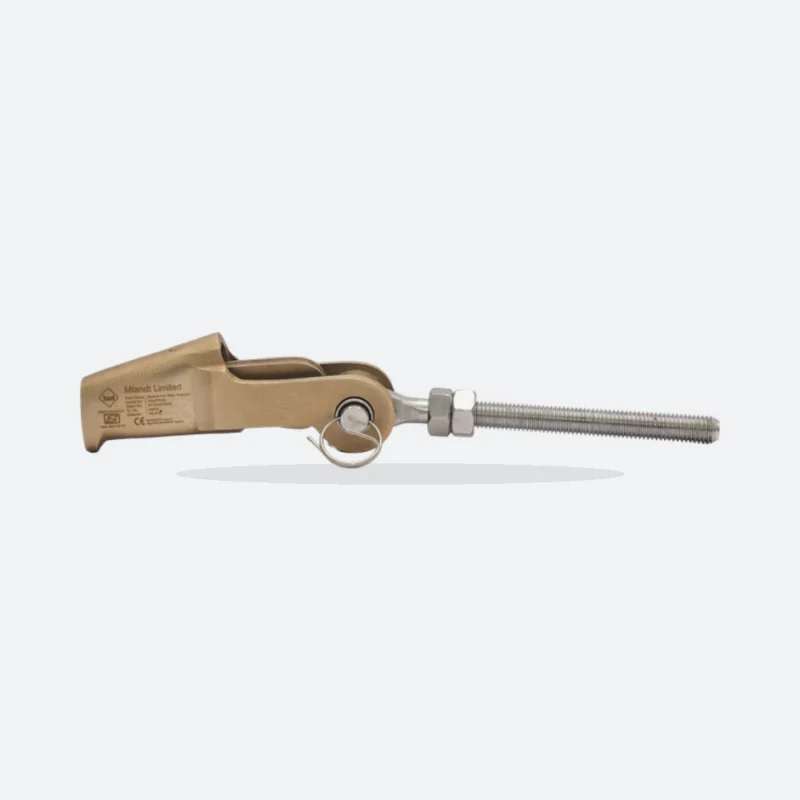
TSAF-102B
SS-316 and AB-2 swageless end termination that grips the lifeline cable mechanically, with open and close…
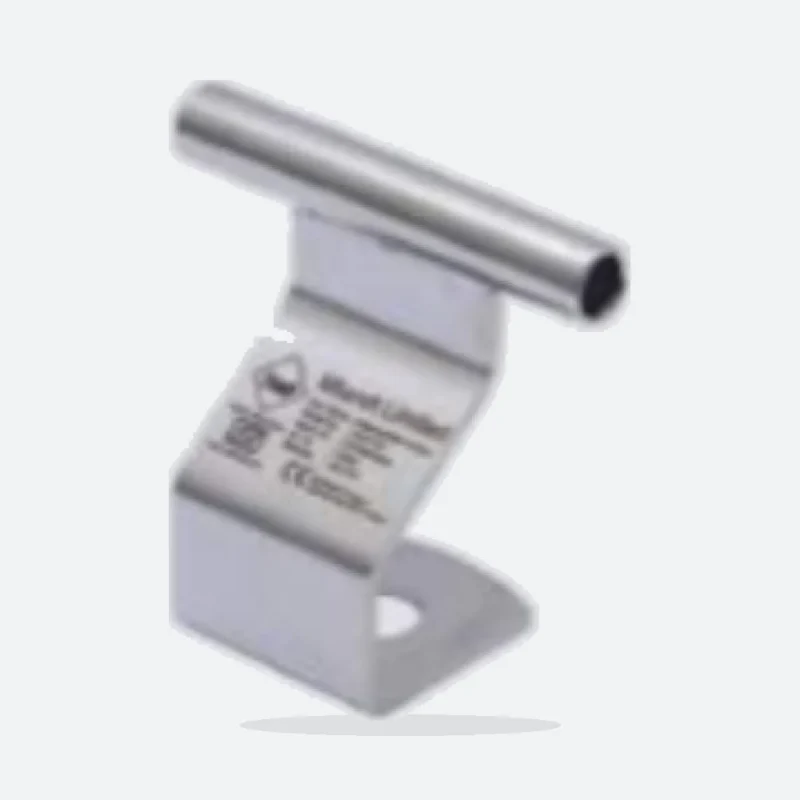
TSAF-104
SS-316 intermediate bracket that holds the horizontal lifeline cable in position, installed at intervals of 8…

TSAF-129
SS-316 bracket that turns the horizontal lifeline through 90° at corners.

TSAF-130A
SS-304 cable trolley with karabiner that connects the user to the horizontal lifeline and passes through…

TSAF-134
Nylon (polyamide) rope grab with an adjustable lanyard, listed with the Horizontal Lifeline System components.

TSAF-132
Full body harness with an energy absorbing lanyard, made from nylon, steel and plastic, with a…

TSAF-110
Anodised AL 6063 T6 roof post, 680 x 196 x 59 mm, for the ends and…

TSAF-111
Anodised AL 6063 T6 roof post, 680 x 395 x 59 mm, for intermediate brackets of…

TSAF-112A
Anodised AL 6063 T6 roof post, 680 x 540 x 46 mm, suitable for end, corner…

TSAF-116
Anodised AL 6063 T6 roof post, 680 x 395 x 69.5 mm, for the ends and…

TSAF-117
Anodised AL 6063 T6 roof post, 680 x 195 x 69.5 mm, for intermediate brackets of…

TSAF-125
Anodised AL 6063 T6 roof post, 680 x 195 x 89 mm, for intermediate brackets of…
Applications
Standards applicability. This system is designed in accordance withEN 795:2012 Class C, CEN/TS 16415:2013, IS 3521 Part 8:2021. Applicable standards depend on the configuration and components selected — refer to the product datasheet and our engineering documentation for your project.
Installations






Guides
FAQs
A fall-restraint system limits how far a worker can travel, so they cannot reach the edge or a fragile area. A fall-arrest system stops a worker after a fall has begun, which needs enough clearance below. TsaF decides which layout suits your roof at design stage, based on the route, the edge distance and the available clearance.
On standing seam roofs such as Snap-lock, Kalzip and Klip-lock, TsaF uses clamp-on fixings that grip the seam instead of penetrating the sheet. On trapezoidal roofs the posts are screwed down into the profile and sealed. Our team confirms the right fixing after checking the roof sheet and its condition during the survey.
It depends on how the line is designed. Span lengths, intermediate spacing, the energy absorber and the end anchors are calculated for a set number of users. TsaF states the permitted number of users for each installation in the handover documents, and that number must not be exceeded.
The TsaF horizontal lifeline is designed in accordance with EN 795:2012 Class C, CEN/TS 16415:2013 and IS 3521 Part 8:2021. Refer to the product datasheet for the standard that applies to each component, and to your site rules and safety team for workplace requirements on your premises.
TsaF recommends a formal inspection at least once a year, plus a visual check by users before each use. The Annual Maintenance Check looks for broken strands or kinks in the cable, restores cable tension, checks the energy absorber and its indicator, the end terminations, intermediate guides, trolley movement and identification labels.
Related systems

Rope- or rail-type fall arrest for fixed ladders, towers and tanks, keeping climbers connected from bottom to top.
View system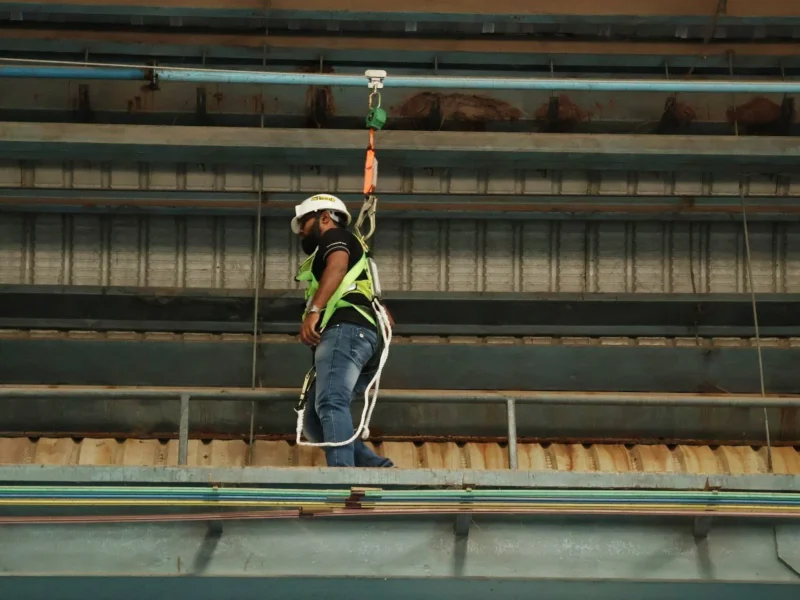
Overhead cable lifelines for loading bays, vehicle tops and work over machinery, indoors or outdoors.
View system
Lightweight, slip-resistant aluminium and FRP walkways that give a defined, safe route across rooftops.
View systemDiscuss your site
“We don't just install your safety system. We stand on the roof with you.”
Leave your number — an engineer will call you back.

Online · Fall protection expert
Ask me about TsaF's 10+ customized fall protection products, components, specifications, AMC, catalogue or how to reach our engineers.
Quick questions
AI Pilot can make mistakes — please confirm specifications with TsaF engineers.

Free · No obligation
Tell us what you need. A TsaF engineer will call you back within one business day.
We have received your enquiry. A TsaF engineer will call you within one business day.
Chat on WhatsApp