Indoor overhead lifeline
Cable fixed to the building structure above loading bays, machinery or production lines.
Lifeline Systems
An overhead life line system is a continuous cable anchor fixed above the work area. It is used where people work on top of trucks, tankers, rail wagons or equipment and there is nothing to anchor to at foot level. Workers connect through a trolley or a retractable fall arrestor and move along the vehicle without stopping to re-attach. TsaF designs, manufactures at its Jewar facility and installs overhead life line systems for loading bays and vehicle tops across India.

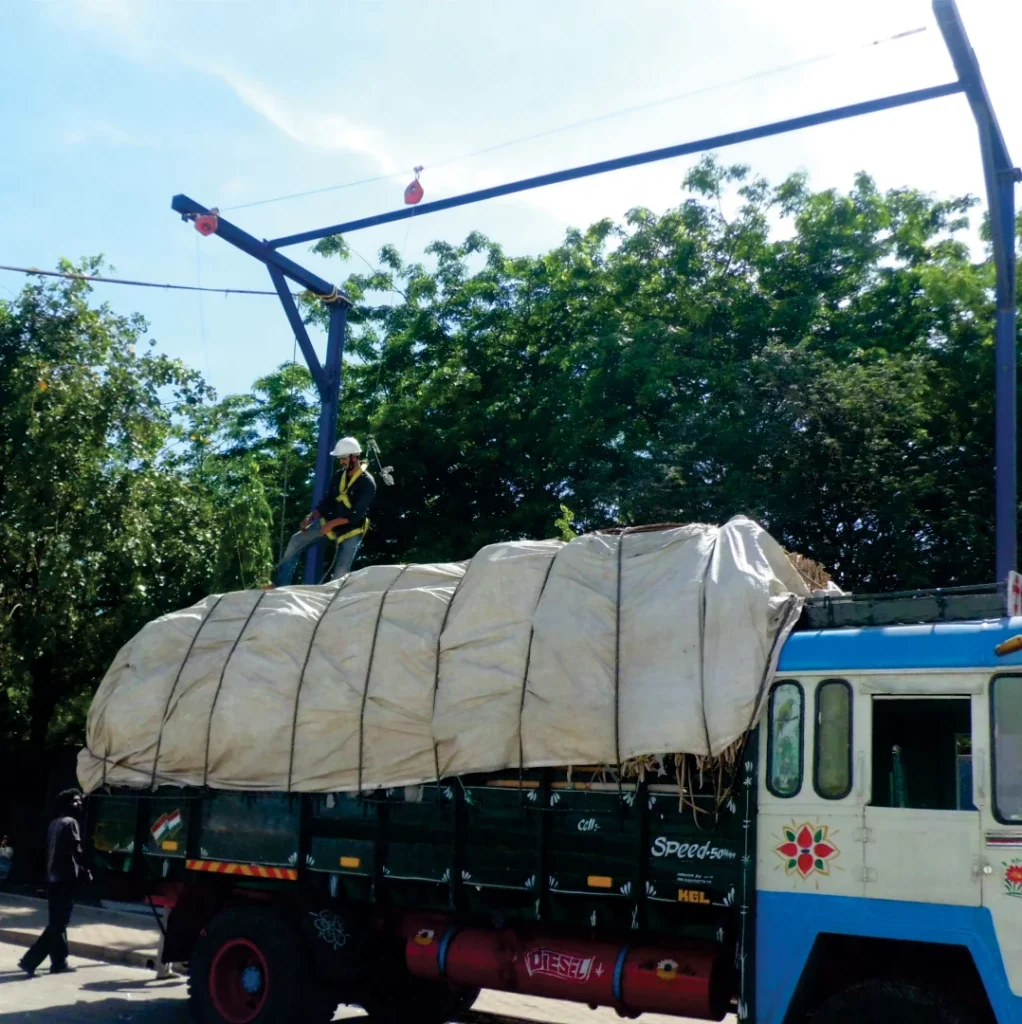
Loading and unloading tankers, trucks and rail wagons means people standing on curved, wet or uneven surfaces with no edge protection and no structure nearby to clip onto. The same is true for work over machinery, along pipe racks and on crane rails. A short fall from a vehicle top can cause serious injury, and these tasks are repeated many times a day.
An overhead lifeline is a tensioned stainless steel cable fixed above the work zone, either to the building structure indoors or to a dedicated support structure outdoors. The worker connects a self-retracting lifeline, such as the TSAF-404 10 m retractable fall arrestor, to a trolley running on the cable and then to their full body harness. The trolley follows the worker along the line, giving easy, continuous and hands-free movement over long distances without stopping to re-attach to a new anchor point.
Because the anchor is overhead, the retractable arrestor keeps slack to a minimum and arrests a fall quickly. After a fall is arrested, the worker must be lowered or rescued promptly, so every overhead line should be planned together with a rescue method such as the TsaF Anchorline & Rescue System.
TsaF offers a double-wheel pass-through trolley (SS-304) for lines with intermediate brackets, and double-wheel and single-wheel non-pass-through trolleys for single-span lines. Intermediate brackets are typically spaced every 5 to 15 metres on long lines, and the line shares its shock absorber cum tensioner, end terminations and cable with the horizontal lifeline system.
For planning details at truck and tanker loading points, read our guide to overhead lifelines for loading bays and vehicle tops.
Typical applications include truck and tanker loading in oil and gas and chemical plants, railway wagon loading, work on aircraft, over machinery and on pipe racks and crane rails. Where there is no structure to support a line, a freestanding TruckSafe or ConcreteSafe mobile anchor may be the better choice. For roof-level work, see our horizontal lifeline and rooftop barricade pages.
The overhead lifeline is designed in accordance with EN 795:2012 Class C, CEN/TS 16415:2013 and IS 3521 Part 8:2021. TsaF surveys the bay, the vehicles and the supporting structure, engineers the layout and clearances, manufactures components in Jewar and installs with certified technicians. The Annual Maintenance Check then checks the cable, trolleys, brackets, end stops and clearances every year. Request a site assessment for your loading bays.
Specifications are indicative. Refer to the product datasheet or ask our engineers for project-specific values.
System types
Cable fixed to the building structure above loading bays, machinery or production lines.
Cable supported on a dedicated structure for open loading areas where there is no building to fix to.
SS-304 trolley rated 15 kN that passes intermediate brackets, for long lines with several spans.
Anodised aluminium alloy trolley rated 15 kN for single-span lines.
Compact SS-304 trolley rated 15 kN for single-span lines.
Self-retracting lifeline connecting the worker to the trolley and keeping slack to a minimum.
How it works
Benefits
Easy, continuous movement along the vehicle without stopping to re-attach.
Designed to support retractable fall arrestors that keep slack to a minimum.
Pass-through trolleys allow a single line to cover several bays.
SS-316 cable and brackets for outdoor and process environments.
A cable system needs less structure than a fabricated steel gantry.
Each layout is engineered for the vehicles, heights and clearances on your site.
Components
Add components to your enquiry list to request one combined quotation.
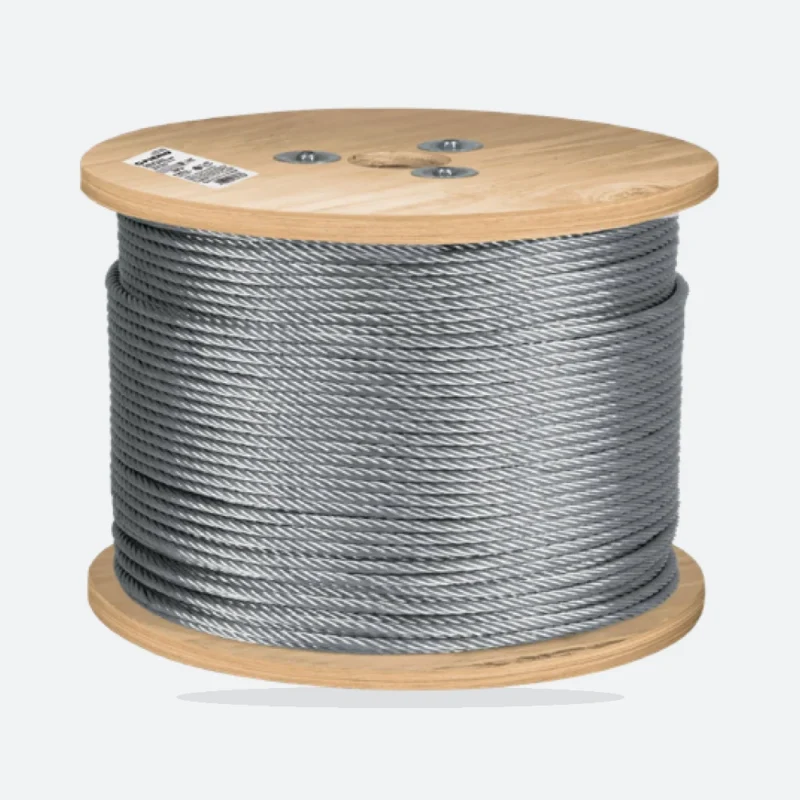
TSAF-108
8 mm diameter SS-316 wire rope in 7x7 construction, supplied per metre, used as the lifeline…
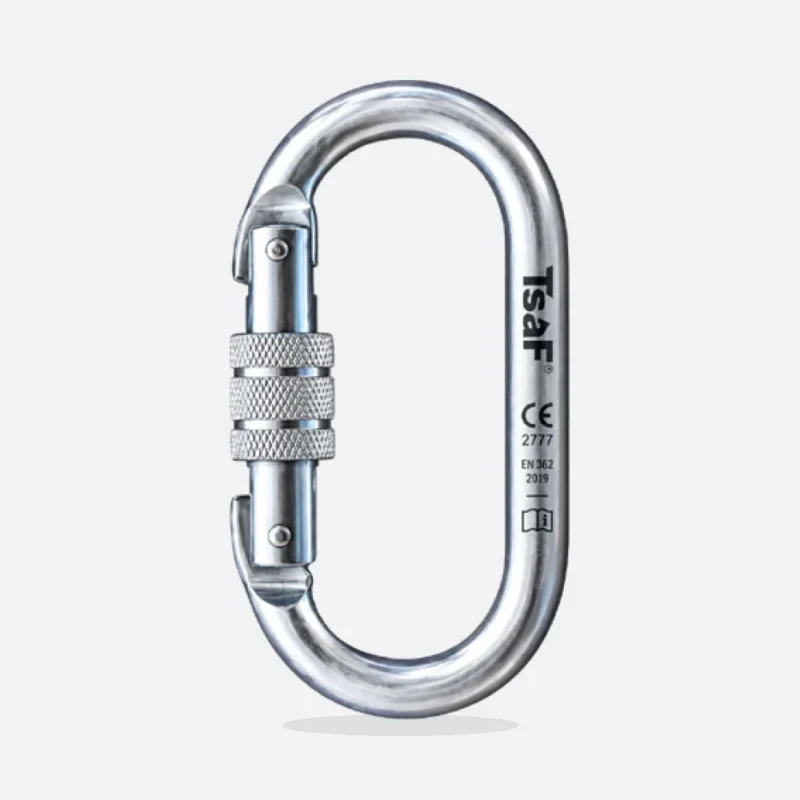
TSAF-131
Alloy steel screw-gate karabiner with a breaking strength of 23 kN, used to connect users to…
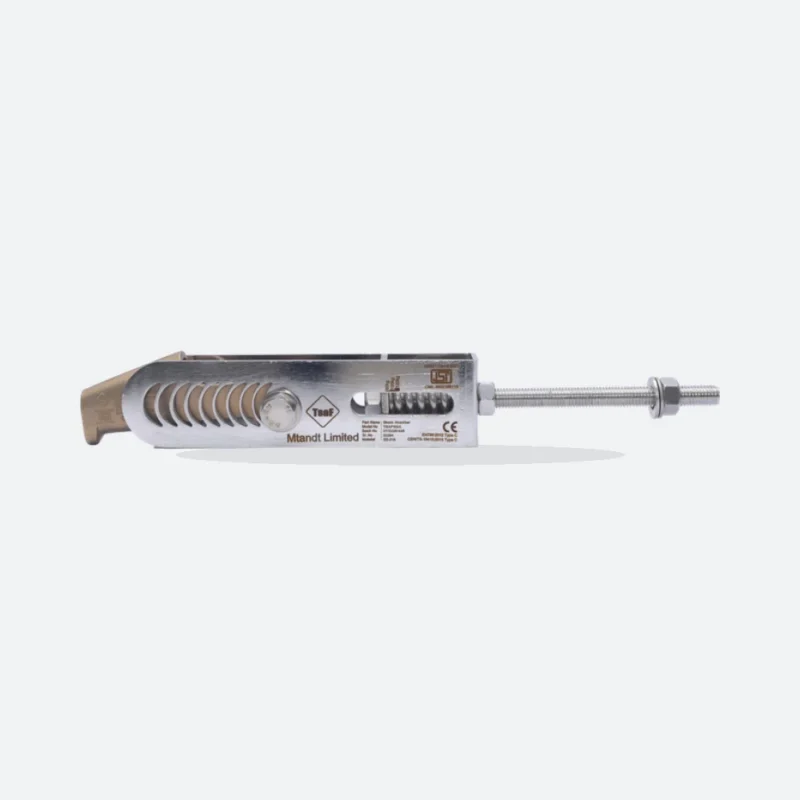
TSAF-100A
SS-316 and AB-2 in-line unit that tensions the lifeline cable and absorbs energy, with an activating…
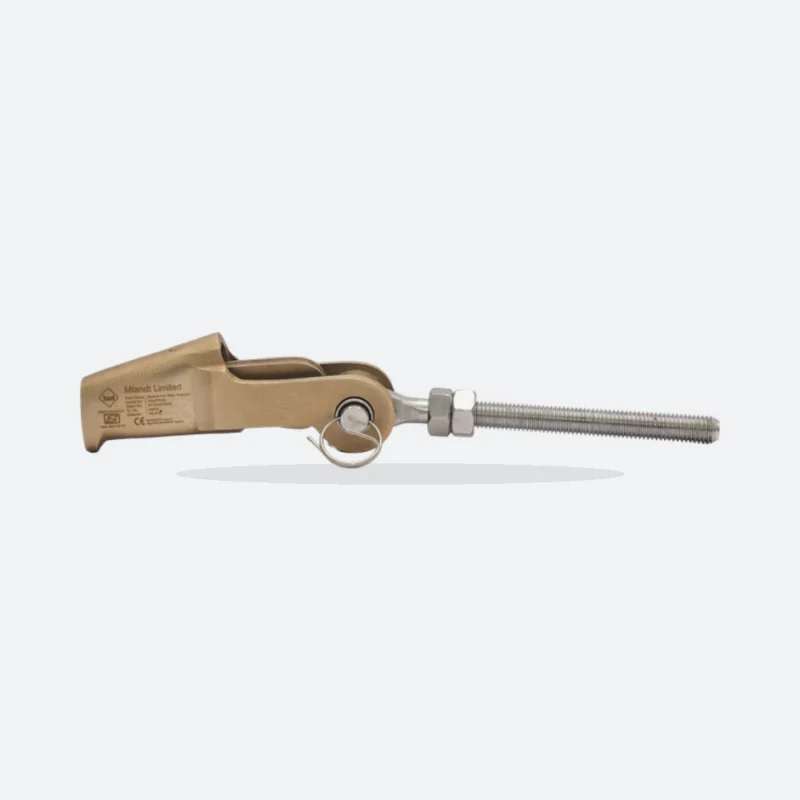
TSAF-102B
SS-316 and AB-2 swageless end termination that grips the lifeline cable mechanically, with open and close…

TSAF-132
Full body harness with an energy absorbing lanyard, made from nylon, steel and plastic, with a…

TSAF-404
10 m retractable fall arrestor in steel and plastic, used to connect workers to the Overhead…
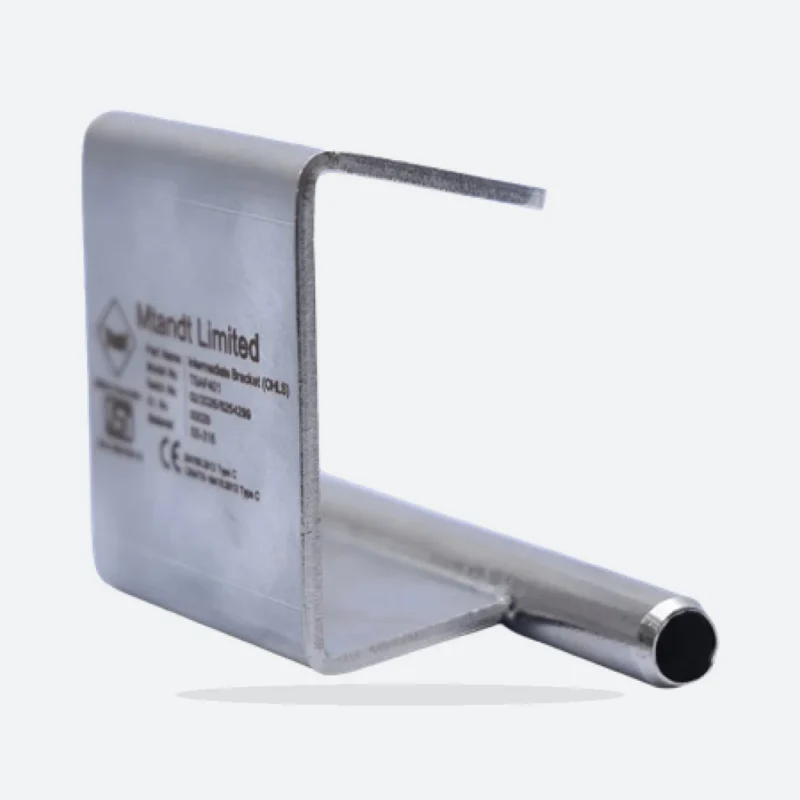
TSAF-401
SS-316 intermediate bracket that supports the overhead lifeline cable on long lines, also listed in the…

TSAF-406
Anodised aluminium alloy double-wheel trolley for overhead lifelines without intermediate brackets, with a minimum breaking strength…

TSAF-407
SS-304 double-wheel trolley that passes through intermediate brackets on overhead lifelines, with a minimum breaking strength…

TSAF-408
Compact SS-304 single-wheel trolley for overhead lifeline sections without intermediate brackets, with a minimum breaking strength…
Applications
Standards applicability. This system is designed in accordance withEN 795:2012 Class C, CEN/TS 16415:2013, IS 3521 Part 8:2021. Applicable standards depend on the configuration and components selected — refer to the product datasheet and our engineering documentation for your project.
Installations




Guides
FAQs
An overhead lifeline suits work on top of vehicles, equipment or machinery, where the anchor needs to be above the worker and there is often no structure at foot level. A horizontal lifeline suits roofs, where the line runs along the roof surface. Many sites need both, and TsaF can assess which fits each work area.
No. Indoors the line is usually fixed to the building structure. Outdoors, TsaF can design a dedicated support structure. Where neither is practical, a freestanding mobile anchor such as TruckSafe or ConcreteSafe from our Anchorline and Rescue range may be the better solution.
The worker is held by the retractable fall arrestor and must be lowered or rescued promptly. Every overhead line should be planned with a rescue method, trained rescuers and the right equipment on site. TsaF can advise on rescue planning and equipment as part of the system design and training.
The TsaF overhead lifeline is designed in accordance with EN 795:2012 Class C, CEN/TS 16415:2013 and IS 3521 Part 8:2021. Refer to the product datasheet for the standard that applies to each component, and to your site rules and safety team for workplace requirements on your premises.
Users should check the trolley and arrestor before each use, and TsaF recommends a formal inspection at least once a year. The Annual Maintenance Check covers the cable along the full path, trolley movement, suspension brackets, end stops and trolley retention, clearance and wear on connection hardware, with alignment correction where needed.
Related systems

Rope- or rail-type fall arrest for fixed ladders, towers and tanks, keeping climbers connected from bottom to top.
View system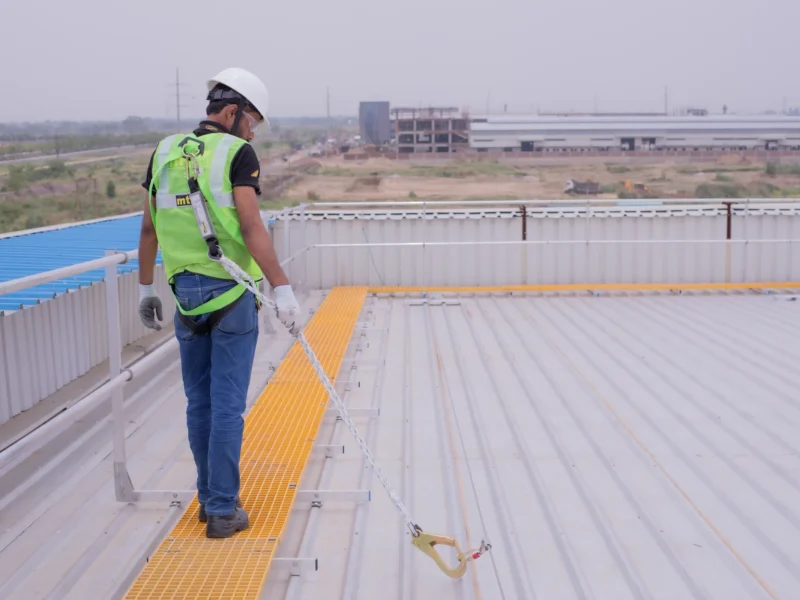
Stainless steel cable lifelines for flat and sloped roofs, with pass-through trolleys for hands-free movement.
View system
Lightweight, slip-resistant aluminium and FRP walkways that give a defined, safe route across rooftops.
View systemDiscuss your site
“We don't just install your safety system. We stand on the roof with you.”
Leave your number — an engineer will call you back.

Online · Fall protection expert
Ask me about TsaF's 10+ customized fall protection products, components, specifications, AMC, catalogue or how to reach our engineers.
Quick questions
AI Pilot can make mistakes — please confirm specifications with TsaF engineers.

Free · No obligation
Tell us what you need. A TsaF engineer will call you back within one business day.
We have received your enquiry. A TsaF engineer will call you within one business day.
Chat on WhatsApp